Frequently Asked Questions
FAQ
Q.I got into an accident, do I need to stop working to get my treatment?
No, you do not need to stop working. You can continue to work while you are receiving treatment.
Q.How long does MVA treatment take?
Treatment time varies depending on the severity of the injuries, but most patients can start to see improvements within a few weeks of consistent therapy. Typically, full recovery can take a few months depending on the injury type.
Q.Do I need a referral for MVA rehab?
While some insurance providers may require a referral, many patients can self refer to the clinic for MVA treatment.
Q.How often do I need to attend treatment?
Typically, patients attend therapy sessions 2 to 3 times a week during the initial phase of treatment. The frequency will decrease as you improve and progress with your treatment.

Q.Will MVA treatment be covered by insurance?
Yes, many insurance plans, including auto insurance, cover treatment for injuries that result from a motor vehicle accident. We also offer direct billing for MVA claims where applicable.
Motor Vehicle Accident (MVA) Treatment
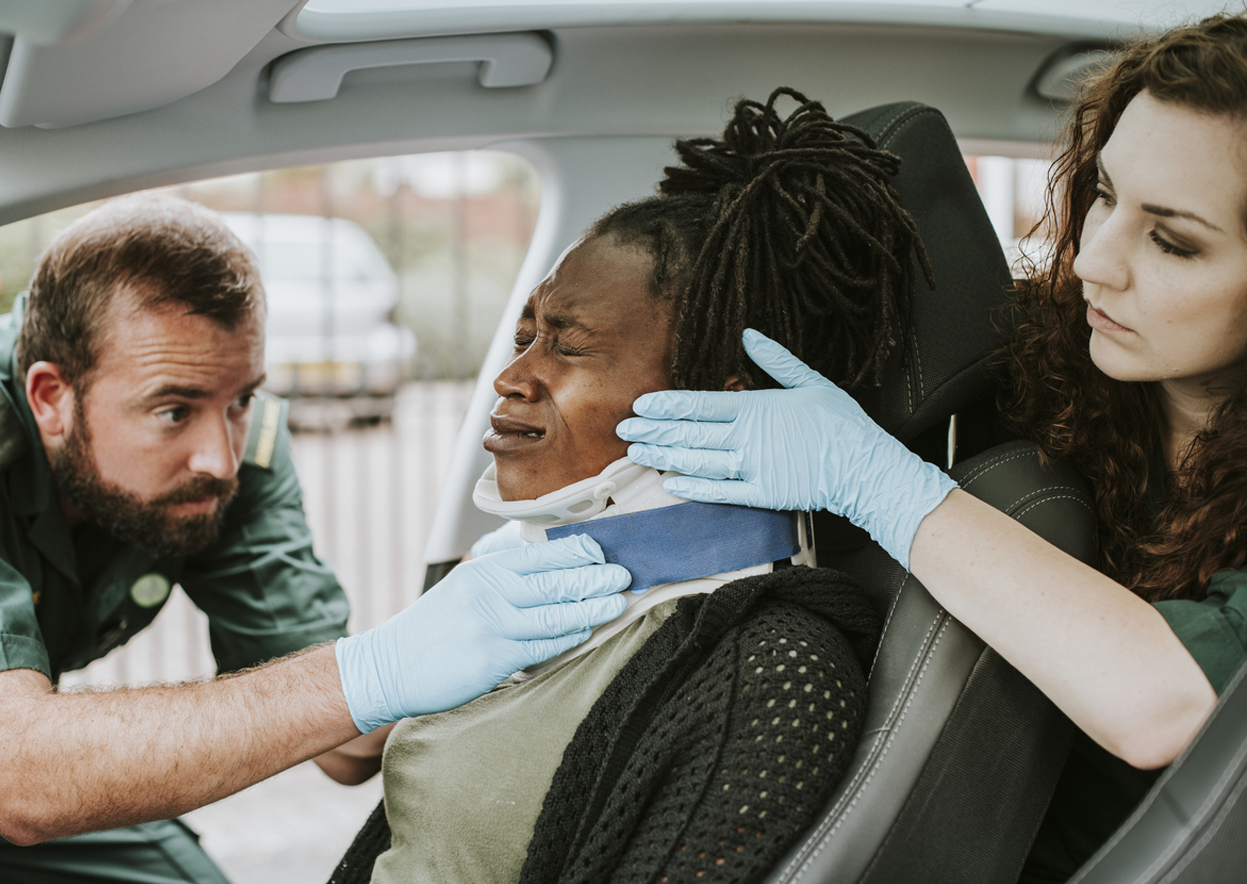
Motor Vehicle Accident (MVA) treatment is essential for those recovering from injuries caused by car accidents. Physiotherapists use a variety of treatments to manage pain, improve mobility, and restore function. This helps individuals recover effectively and return to daily activities with minimal disruption.
The Physiological Benefits of MVA Treatment Include
Reduced Pain and Swelling
MVA treatments help reduce inflammation and pain, especially in areas affected by whiplash, soft tissue injuries, and other trauma related issues.
Improved Mobility
Physiotherapy enhances range of motion in the neck, back, shoulders, and limbs, so patients can move more freely and with less discomfort.
Faster Recovery
With targeted therapies, MVA treatment can reduce recovery time, helping patients return to work, family life, and daily routines more quickly.
Strengthening and Rehabilitation
Rehabilitation exercises restore muscle strength and joint stability, which reduces the risk of long term pain and future injury.
Stress Relief and Psychological Support
MVA treatment also addresses the psychological effects of accidents. Counseling and support can help reduce anxiety, fear, and stress that often show up during recovery.
MVA Treatments Available
Treatment and Pain Management

Whiplash Injury Treatment
- Pain management techniques, including soft tissue manipulation
- Spinal mobilization and gentle adjustment
- Strengthening exercises for neck and shoulder muscles
Back and Spine Injury Recovery
- Spinal treatment programs to improve flexibility
- Corrective exercises to reduce back pain
- Joint mobilization therapy to restore movement

Soft Tissue Injury Treatment
- Muscle and ligament treatment programs
- Scar tissue management and massage therapy
- Stretching and strengthening to restore flexibility
Joint and Ligament Therapy
- Joint mobilizations for increased range of motion
- Ligament repair and strengthening techniques
- Post injury functional restoration plans